


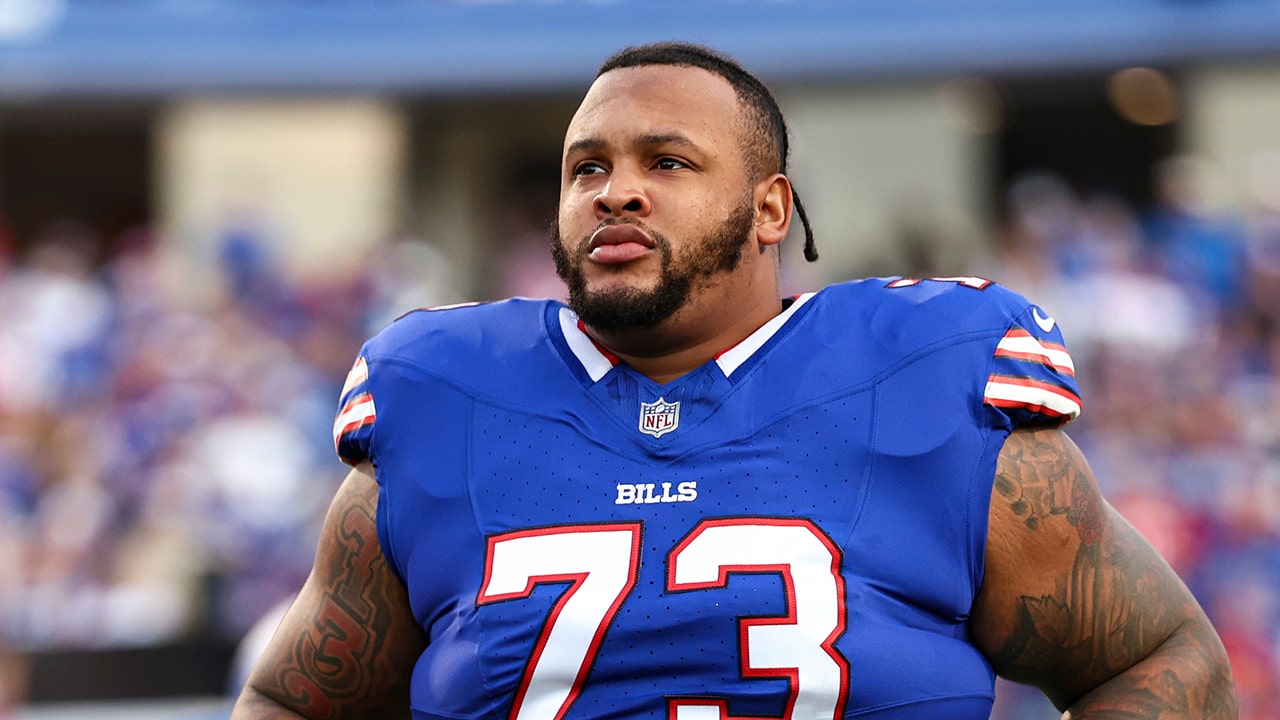
Bills star Dion Dawkins explains his ‘counter’ to potential NFL 18th game: ‘Careers are only getting shorter’
The debate over whether the NFL should expand to an 18-game regular season has been a hot topic among players, coaches, and fans alike. Buffalo Bills left tackle Dion Dawkins recently weighed in on the issue, acknowledging that an 18th game may be inevitable but cautioning that it could have significant implications for players’ careers.
Dawkins, a key member of the Bills’ offensive line, is no stranger to the physical toll that a grueling NFL season can take on a player’s body. As someone who puts his health and well-being on the line every time he steps onto the field, Dawkins is acutely aware of the potential risks and rewards of an expanded regular season.
In a recent interview, Dawkins expressed his concerns about the impact that an 18-game season could have on players’ bodies and careers. He emphasized that the physical demands of playing in the NFL are already immense, and adding an additional game to the schedule could push many players to their breaking point.
“Playing in the NFL is a grind, both mentally and physically,” Dawkins said. “Adding another game to the schedule would only increase the risk of injury and burnout for players. It’s important to consider the long-term consequences of expanding the regular season before making any decisions.”
Indeed, the toll that a grueling NFL season can take on a player’s body is well-documented. From concussions and torn ligaments to chronic pain and early-onset arthritis, the physical risks of playing professional football are numerous and severe. Adding another game to the schedule would only increase these risks, potentially leading to more injuries and shorter careers for players.
But the implications of an 18-game season go beyond just the physical toll on players’ bodies. Dawkins also highlighted the potential impact that an expanded regular season could have on players’ career trajectories. In a league where success is often measured in statistics and accolades, one extra game could make all the difference for a player looking to make a name for himself in the NFL.
“Every game matters in the NFL, and adding an 18th game to the schedule would only increase the stakes for players,” Dawkins said. “One bad game could be the difference between making the playoffs and missing out on a championship. It could also impact a player’s contract negotiations and overall market value. One extra game may not seem like much, but it could change a player’s entire career trajectory.”
Indeed, the importance of every game in the NFL cannot be understated. With only 16 regular-season games on the schedule, each matchup carries significant weight in determining a team’s playoff chances and a player’s individual success. Adding an 18th game to the schedule would only increase the pressure on players to perform at their best, knowing that one slip-up could have far-reaching consequences for their careers.
But while the potential risks of an 18-game season are clear, there are also arguments in favor of expanding the regular season. Proponents of an 18-game schedule point to the financial benefits for both the league and its players, as well as the potential for increased revenue and exposure for the NFL.
“The NFL is a business, and adding an 18th game to the schedule could have significant financial benefits for both the league and its players,” Dawkins acknowledged. “More games mean more opportunities for players to showcase their talent and earn lucrative contracts. It could also lead to increased revenue for the league through ticket sales, merchandise, and television deals.”
Indeed, the financial incentives of an expanded regular season are substantial. More games mean more opportunities for players to earn performance bonuses, appearance fees, and endorsement deals. It could also lead to increased revenue for the league through higher ticket prices, larger television contracts, and expanded merchandise sales.
But while the financial benefits of an 18-game season are attractive, they must be weighed against the potential risks to players’ health and careers. As Dawkins pointed out, the physical toll of playing in the NFL is already significant, and adding another game to the schedule could exacerbate the risk of injury and burnout for players.
“It’s a delicate balance between financial incentives and player safety,” Dawkins said. “While the financial benefits of an 18-game season are appealing, we must also consider the long-term consequences for players. It’s important to prioritize the health and well-being of athletes above all else.”
Ultimately, the decision to expand the NFL regular season to 18 games is a complex and multifaceted issue. While there are clear financial incentives for both the league and its players, the potential risks to players’ health and careers cannot be ignored. As Dion Dawkins wisely cautioned, one extra game could change a player’s entire career trajectory, for better or for worse.
As the debate over an 18-game NFL season continues to unfold, it is crucial that all stakeholders – players, coaches, fans, and league officials – come together to carefully consider the implications of such a significant change. While the allure of more football may be tempting, the well-being of the athletes who put their bodies on the line every week must remain the top priority. Only by approaching this issue with caution, thoughtfulness, and empathy can we ensure that the NFL remains a safe and sustainable environment for its players for years to come.
Source: Fox News





















 LIVE
LIVE LIVE
LIVE


